
construction waste mobile crusher invest cost Russia
Introduction to Construction Waste recycling
Are you tired of construction waste piling up at your job sites, causing headaches and impacting the environment? It’s time to revolutionize your approach with mobile crushers! In this blog post, we’ll delve into the world of construction waste recycling and explore how investing in a mobile crusher can transform the way you manage waste. Let’s discover how this innovative solution can not only streamline operations but also save costs in the long run.
Benefits of Using a Mobile Crusher for Construction Waste
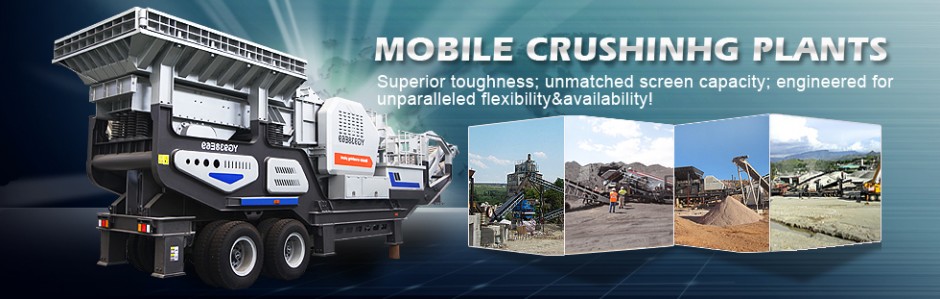
When it comes to managing construction waste, using a mobile crusher offers numerous benefits. The portability of a mobile crusher allows for on-site crushing, reducing the need for transportation and disposal costs. This results in significant savings for construction companies.
construction waste mobile crusher invest cost Russia
Additionally, mobile crushers are versatile and can crush various types of materials such as concrete, asphalt, and bricks with ease. By processing the waste on-site, valuable resources can be salvaged and reused in future projects.
Furthermore, mobile crushers are more environmentally friendly compared to traditional methods as they reduce the carbon footprint associated with transporting waste to landfills or recycling facilities. The efficiency and effectiveness of mobile crushers make them an essential tool in construction waste management.
In conclusion,
the use of a mobile crusher for construction waste not only streamlines the process but also proves to be cost-effective and sustainable in the long run.


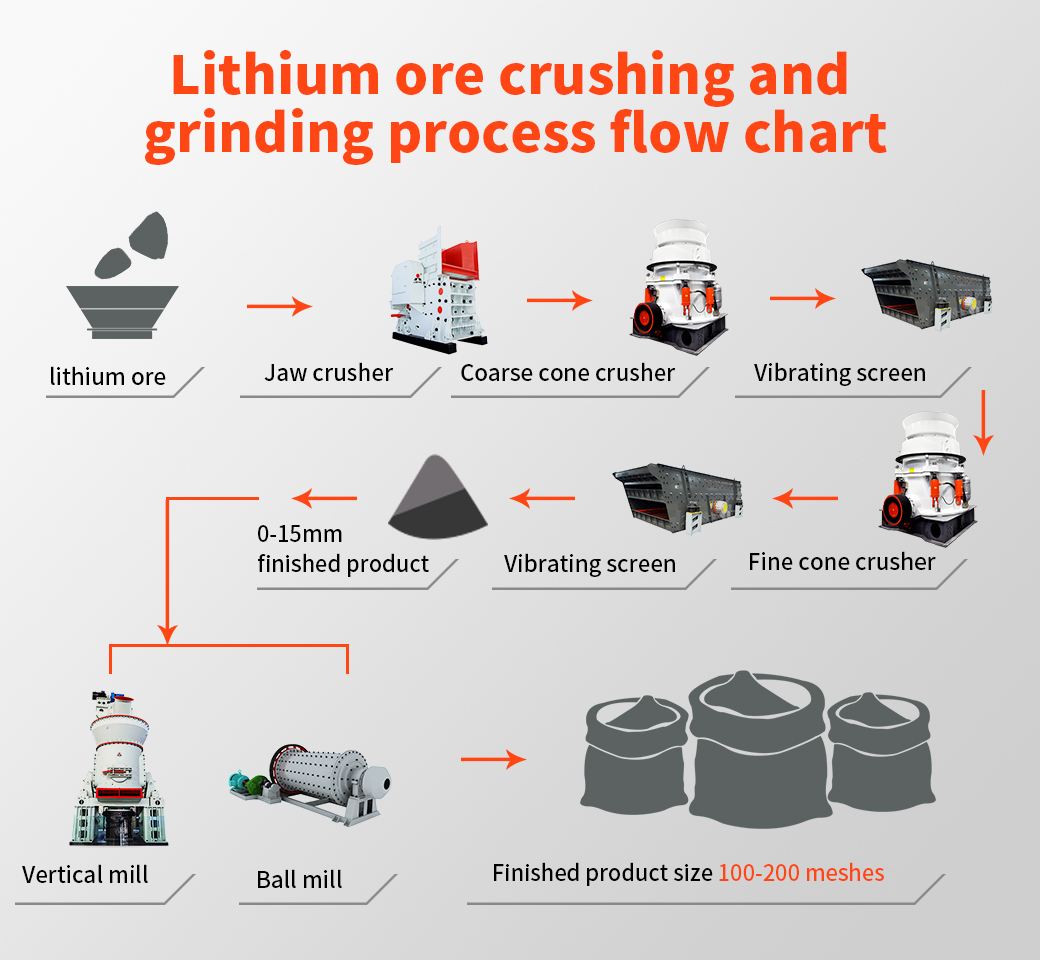 Spodumene: According to the hard rock crushing process, the crushed product is generally 5-40mm, combined with different design requirements of customers, two-end or three-stage crushing, high-grade crushed products (above 4-5%) can be directly used in the metallurgical process to produce lithium carbonate Or lithium hydroxide, the particle size of the finished product is generally around 20-40mm; low-grade generally requires ball mill grinding and separation, and the particle size of the finished product is generally around 5-20mm;