
Cost Comparison with Traditional Grinding Methods
Cost Comparison with Traditional Grinding Methods:
When considering investing in a gypsum vertical roller mill, it is essential to weigh the cost implications against traditional grinding methods. While traditional methods may seem cheaper initially, they often come with hidden costs and limitations.

http://www.crusherindustry.com/index.php/lm-series-vertical-mill/
One of the main advantages of using a vertical roller mill for gypsum processing is its efficiency. This modern technology allows for higher productivity and better particle size distribution compared to traditional grinding methods such as ball mills or hammer mills.
In addition to improved performance, the maintenance and operating costs of a vertical roller mill are generally lower over time. The reduced need for frequent repairs and replacements can result in significant savings in the long run.
Furthermore, a gypsum vertical roller mill provides greater control over process parameters, ensuring consistent quality output. This consistency can lead to fewer rejections or product variations, ultimately reducing waste and improving profitability.
While there may be an initial investment cost associated with acquiring a new gypsum vertical roller mill, it is crucial to consider the long-term benefits it offers. By optimizing production processes and minimizing downtime, this investment has the potential to generate substantial returns on investment (ROI) over time.
In conclusion: Investing in a gypsum vertical roller mill may require an upfront cost but can provide numerous advantages over traditional grinding methods. Its efficiency, lower maintenance costs, improved control over process parameters make it a worthwhile investment that can lead to increased productivity and profitability in gypsum processing operations.


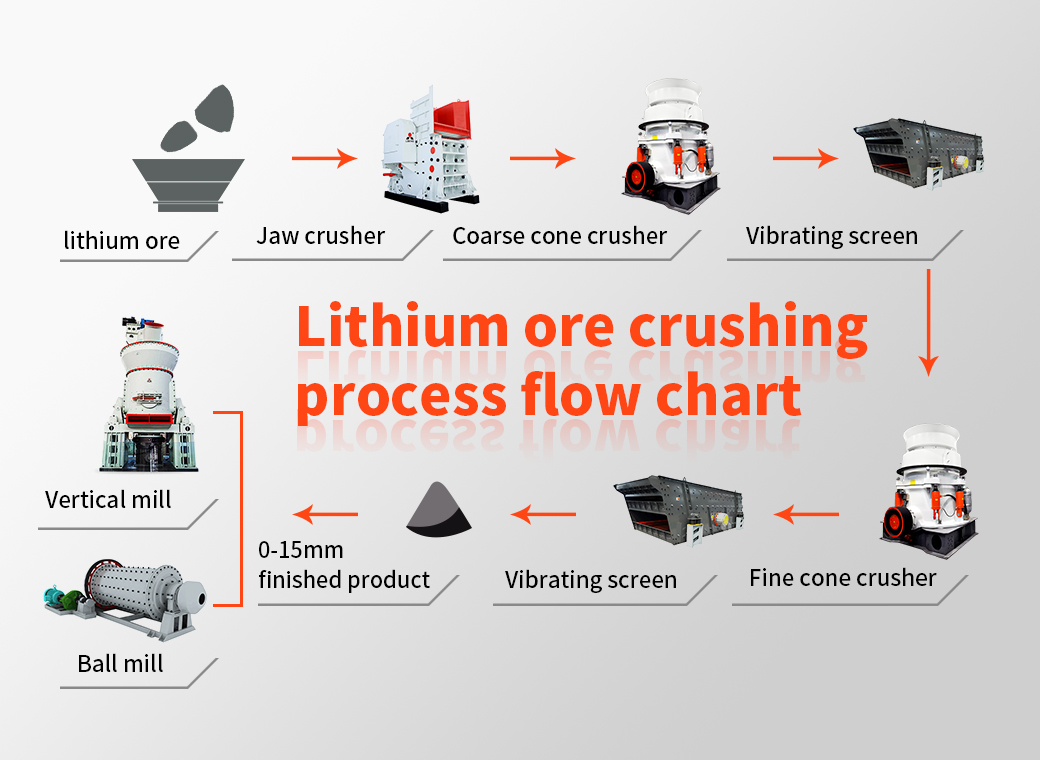
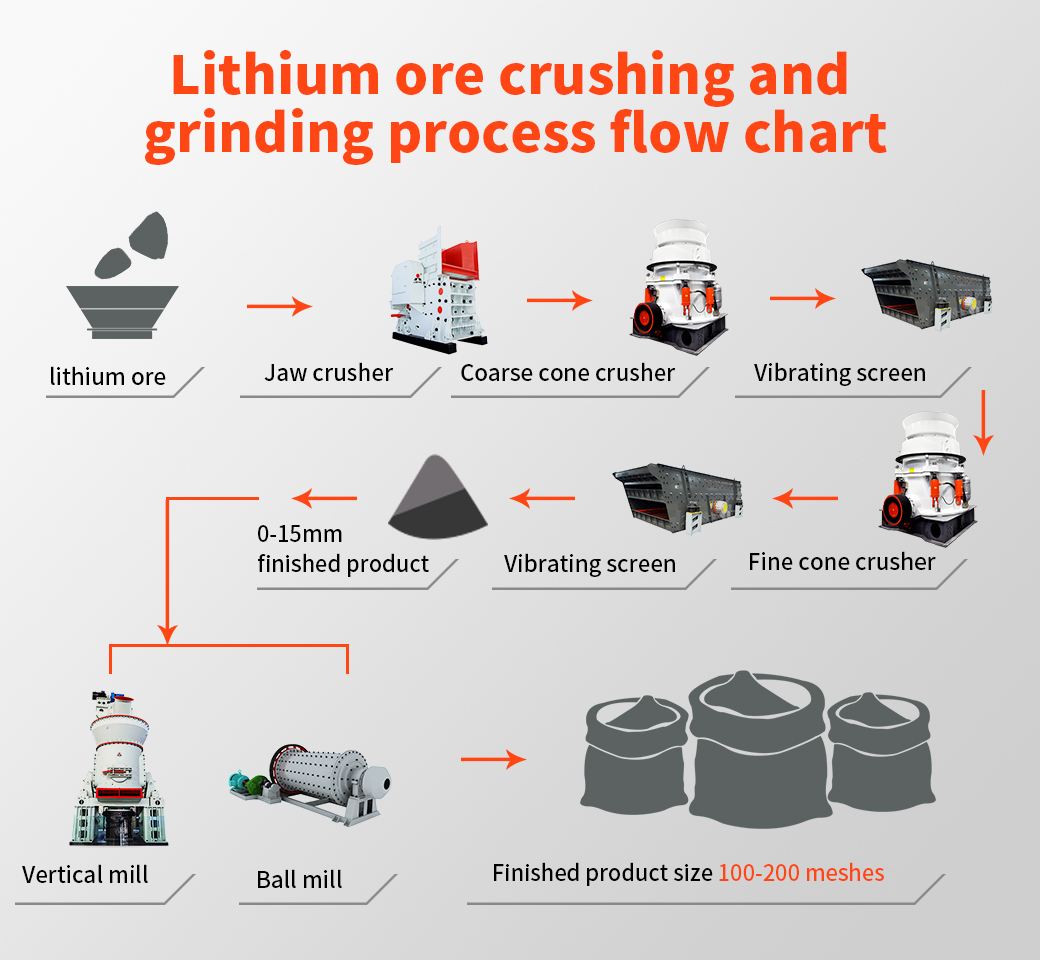 Spodumene: According to the hard rock crushing process, the crushed product is generally 5-40mm, combined with different design requirements of customers, two-end or three-stage crushing, high-grade crushed products (above 4-5%) can be directly used in the metallurgical process to produce lithium carbonate Or lithium hydroxide, the particle size of the finished product is generally around 20-40mm; low-grade generally requires ball mill grinding and separation, and the particle size of the finished product is generally around 5-20mm;